BPC-157 vs TB-500: Two Repair Peptides Compared
Two of the most-studied tissue-repair research peptides — where they overlap, where they differ, and why they are often combined.
Updated 8 July 2026 · 6 min read
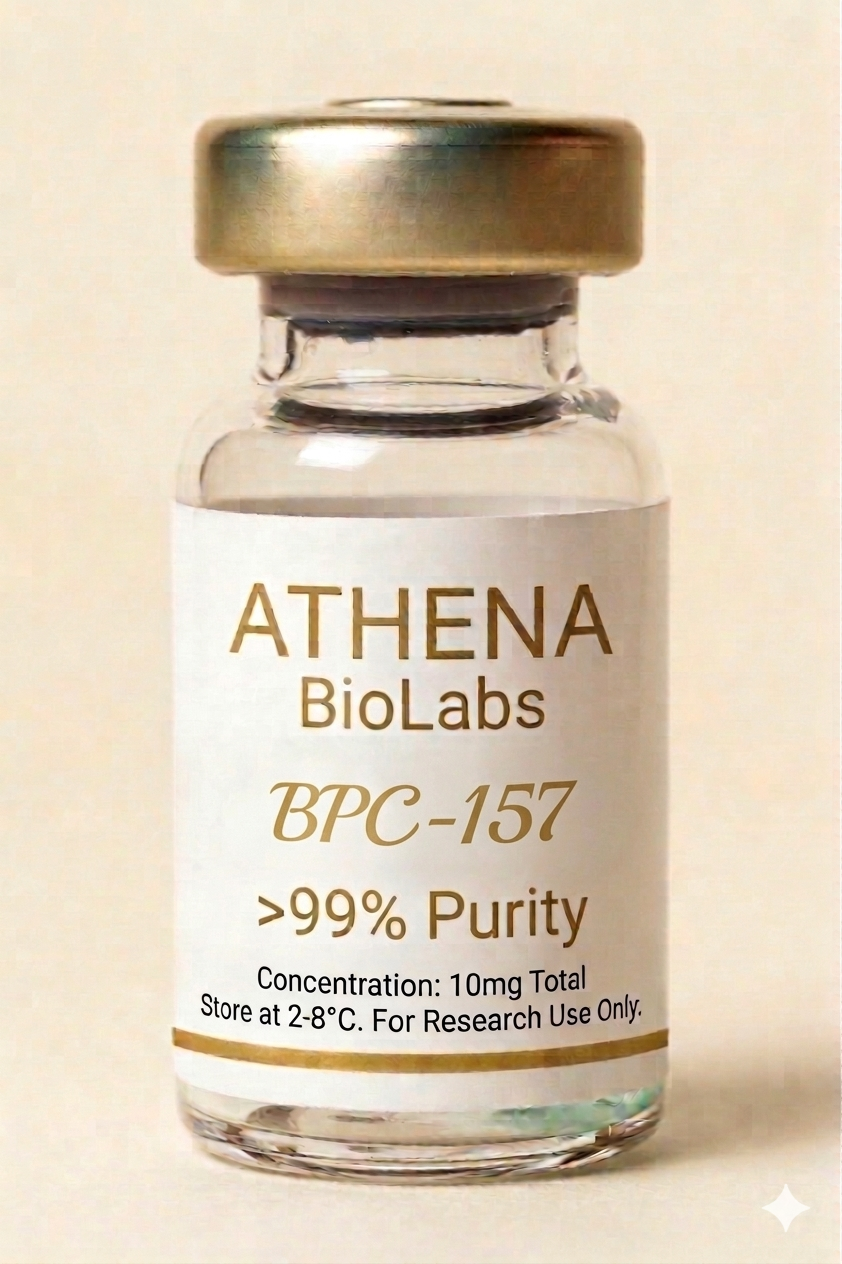
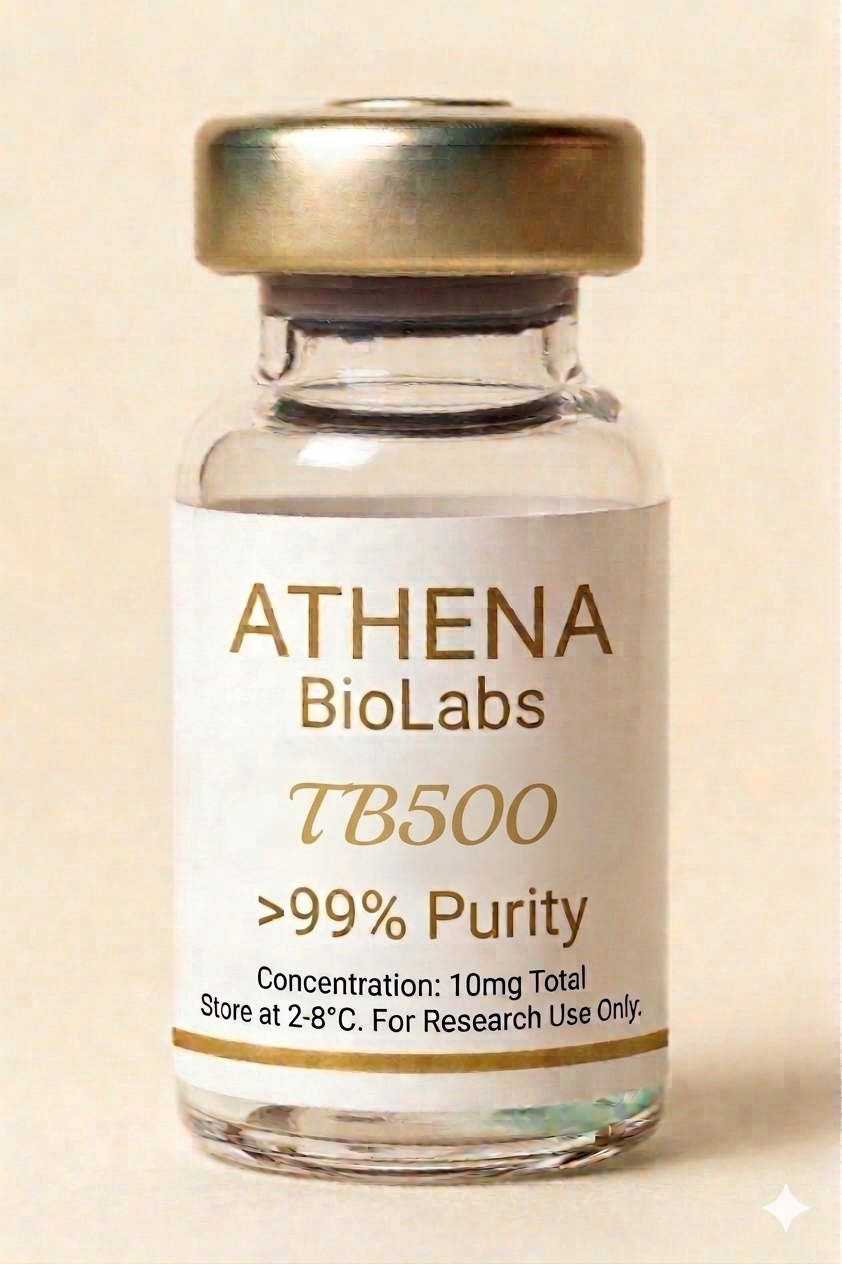
- BPC-157 is a synthetic 15–amino-acid peptide derived from a sequence in human gastric juice; TB-500 is a synthetic fragment related to the protein Thymosin beta-4.
- BPC-157 research focuses on localized tissue, tendon and gut-lining repair; TB-500 research centers on cell migration and actin regulation with more systemic distribution.
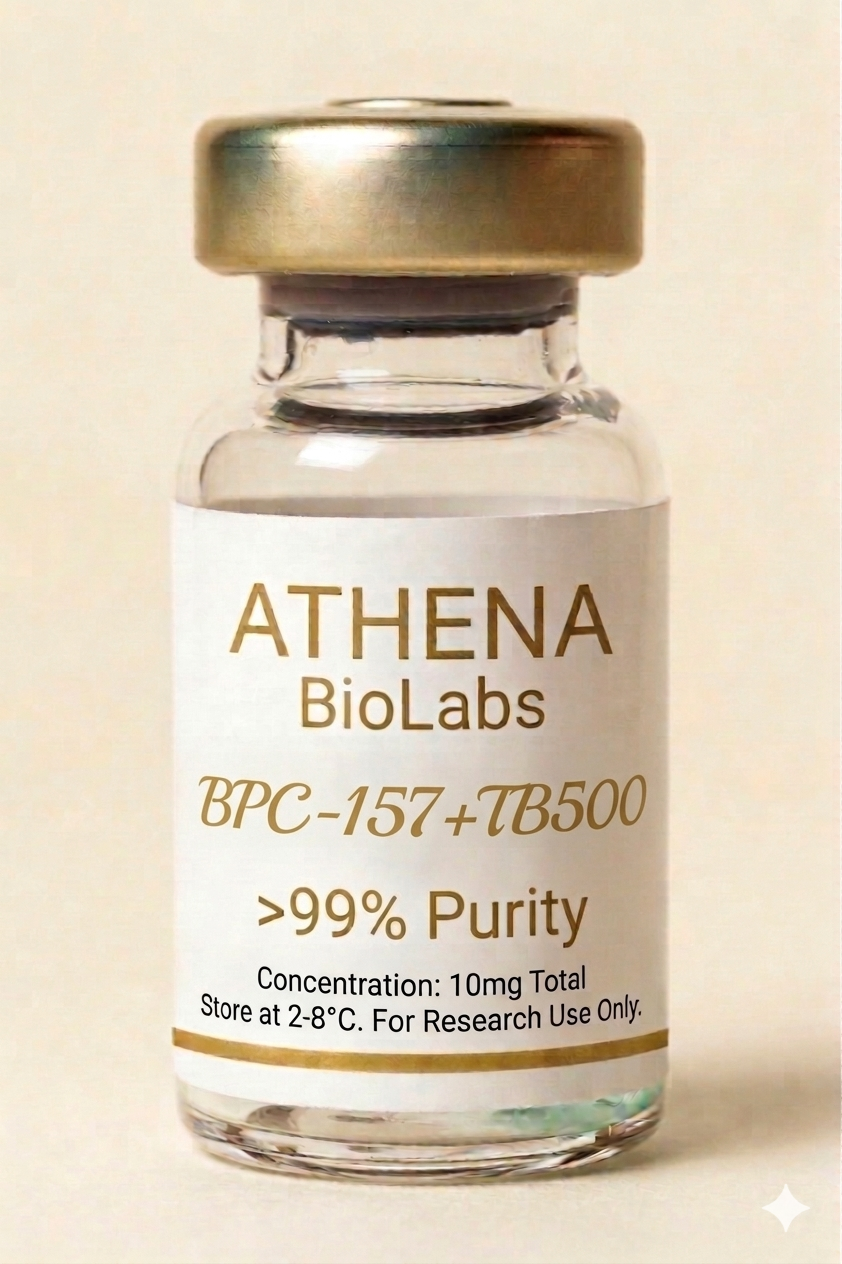
- The two are frequently studied together (a "BPC-157 + TB-500" combination) because their proposed mechanisms are complementary rather than overlapping.
- Most BPC-157 and TB-500 evidence to date comes from animal and in-vitro models, not large human trials.
- Both are supplied lyophilised, stored at −20°C, and are for in-vitro laboratory research only — not for human or animal use.
Different origins
BPC-157 (Body Protection Compound-157) is a synthetic peptide of 15 amino acids based on a partial sequence identified in human gastric juice. Much of its published research, led over years by Sikiric and colleagues, examines tissue-protective and repair-related effects in animal models, particularly of tendon, muscle, and the gastrointestinal lining.
TB-500 is a synthetic peptide related to Thymosin beta-4 (Tβ4), a naturally occurring protein involved in actin regulation and cell migration. Research on Tβ4 and TB-500 (e.g. work associated with Goldstein and colleagues) emphasizes wound healing, angiogenesis and cell motility.
Why researchers combine them
The reason "BPC-157 + TB-500" appears so often as a paired research subject is that their proposed mechanisms are complementary. BPC-157 is studied for more localized, angiogenic and gut-protective effects, while TB-500 is studied for broader cell-migration and systemic distribution effects. Combined-protocol research explores whether the two address different stages or compartments of a repair process.
It is worth being precise about the evidence base: the bulk of published data for both peptides comes from animal and in-vitro studies. Robust large-scale human clinical trials remain limited, which is why both are handled strictly as research compounds.
Verification and handling
Both peptides ship lyophilised and are reconstituted with bacteriostatic water for research. Storage is the same for each: keep the powder at −20°C and reconstituted solution refrigerated at 2–8°C. Because both are commonly counterfeited or underdosed in the grey market, a batch-specific HPLC purity report and independent lab COA are the practical way to confirm what a vial actually contains.
Frequently asked questions
What is the difference between BPC-157 and TB-500?
BPC-157 is a 15–amino-acid peptide derived from a gastric-juice sequence, studied mostly for localized tissue and gut repair. TB-500 is related to Thymosin beta-4 and is studied for cell migration and more systemic wound-healing effects. They have different origins and complementary proposed mechanisms.
Why are BPC-157 and TB-500 used together?
Their mechanisms are complementary rather than overlapping — BPC-157 is studied for localized/angiogenic effects and TB-500 for broader cell-migration effects — so combination protocols are a common research subject. Both remain research-use-only compounds.
Are BPC-157 and TB-500 available in India?
Yes. AthenaBioLabs supplies both individually and as a combination, lyophilised with a third-party Janoshik COA and cold-chain delivery across India, strictly for in-vitro laboratory research.