How to Read a Peptide Certificate of Analysis (COA)
The single most useful skill when sourcing research peptides — how to tell a real Certificate of Analysis from a meaningless one.
Updated 8 July 2026 · 5 min read
- A meaningful peptide COA shows at least three things: HPLC purity (area %), mass-spectrometry confirmation of molecular weight, and the identity of the independent testing lab.
- HPLC purity is reported as an area percentage; research-grade peptides are typically expected to be ≥98–99% pure.
- Mass spectrometry confirms the peptide is the correct molecule by matching its measured mass to the expected molecular weight — purity alone does not prove identity.
- A COA is only trustworthy if it can be verified on the testing laboratory’s own website using a task or report number, independent of the seller.
- Janoshik Analytical is a commonly used independent peptide-testing lab whose reports can be verified directly on janoshik.com.
The three things every real COA must show
A Certificate of Analysis is only as good as what it actually measures. For research peptides, three data points matter most. First, HPLC purity: reverse-phase high-performance liquid chromatography separates the sample and reports the target peptide as a percentage of total area — this is the "99% purity" number. Second, mass-spectrometry confirmation: this matches the measured molecular mass to the expected value, proving the vial contains the right molecule and not merely a pure-but-wrong one. Third, the identity of the lab: a COA from an independent, named laboratory means far more than an in-house claim.
Many low-quality "COAs" circulating in the grey market show only a purity number with no mass-spec trace and no verifiable lab — which tells you almost nothing.
How to verify a COA is genuine
The decisive test is independent verifiability. A genuine third-party report can be checked on the testing lab’s own website using a report or task number — without going through the seller. If a certificate cannot be independently verified, treat it as unverified regardless of how official it looks. Screenshots and PDFs are trivially forged; a live record on the lab’s domain is not.
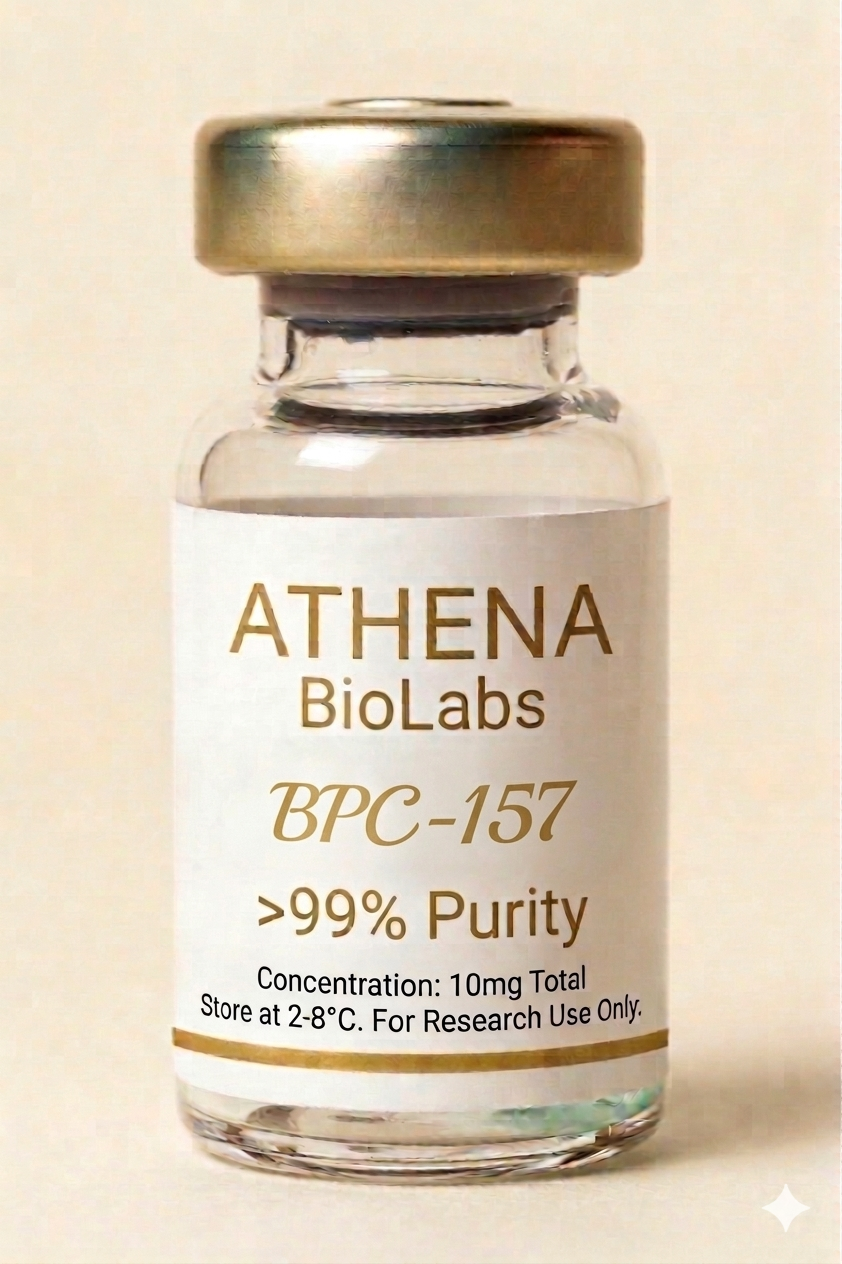
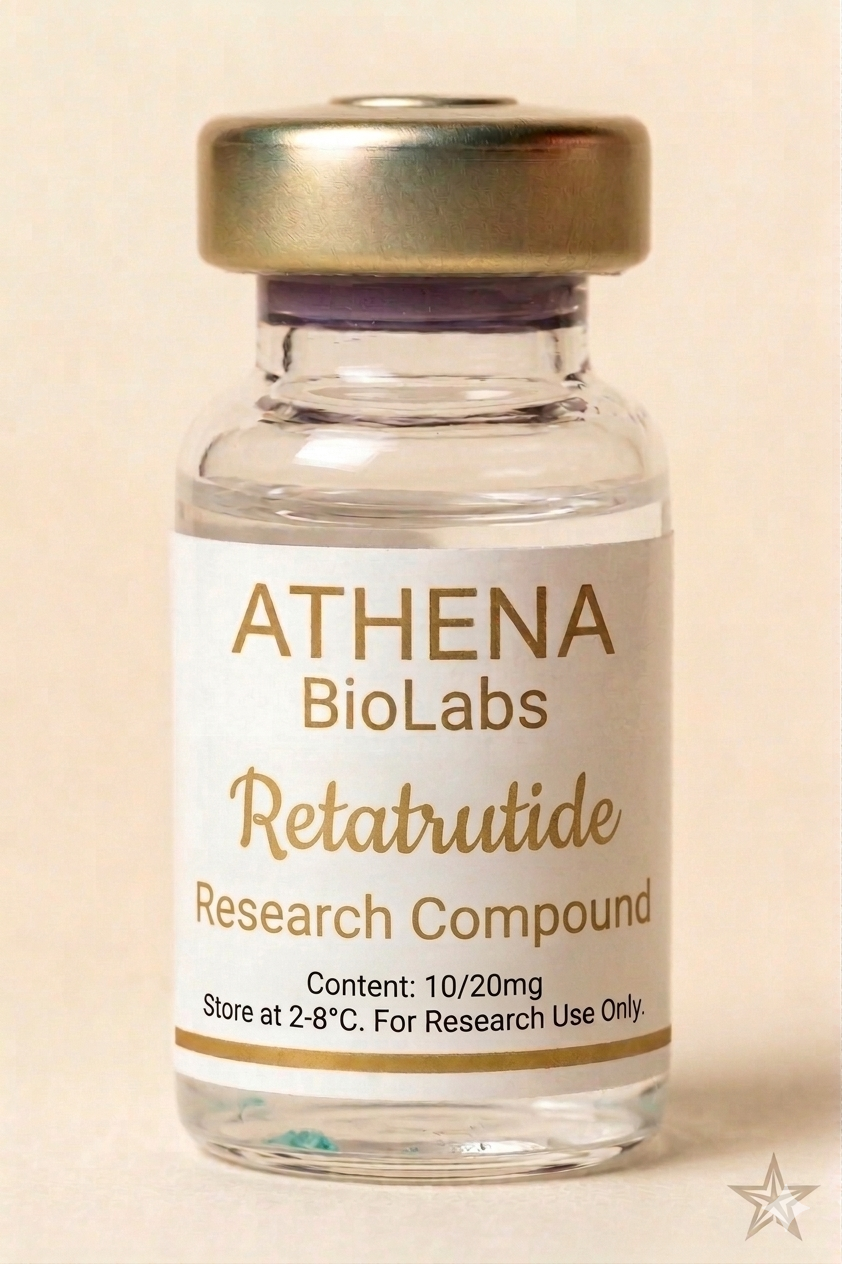
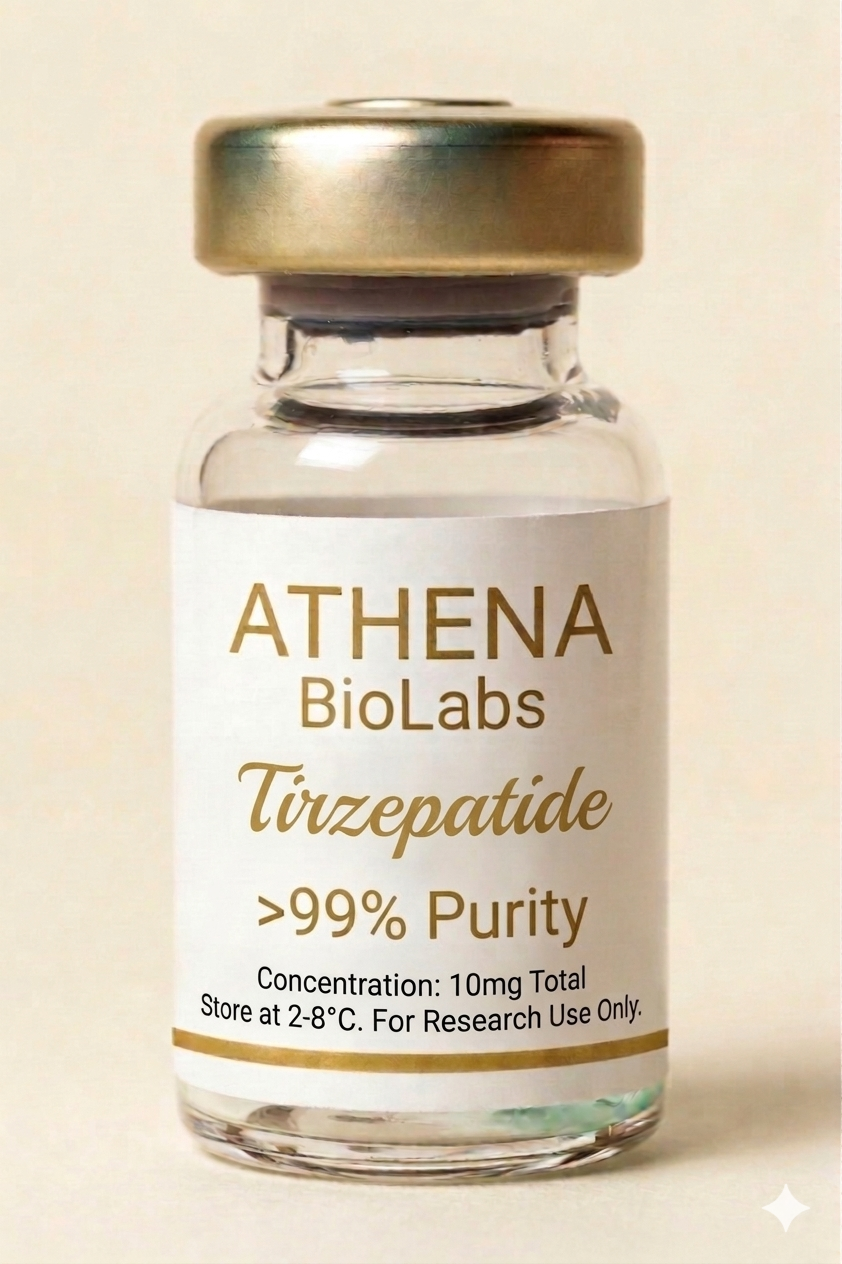
For example, AthenaBioLabs uses Janoshik Analytical and prints a QR code on each vial that links to the certificate for that specific batch, verifiable at janoshik.com. The same reports are also published openly so they can be checked before purchase.
Reading the numbers
Purity: look for ≥98–99% area on the HPLC trace for research-grade material. Endotoxin: an LAL (Limulus Amebocyte Lysate) result screens for bacterial endotoxin contamination and is reported in EU/mg. Molecular weight: the mass-spec section should list the expected and observed mass — they should match within the instrument’s tolerance. Batch/lot number: this ties the certificate to the physical vial you received; a COA for a different lot is not a COA for your product.
Frequently asked questions
What should a peptide COA include?
At minimum: HPLC purity as an area percentage, mass-spectrometry confirmation of molecular weight, the name of the independent testing lab, a batch/lot number, and ideally an endotoxin (LAL) result. It should be verifiable on the lab’s own website.
How do I know a COA is real and not faked?
Verify it independently on the testing laboratory’s own website using the report or task number, not through the seller. PDFs and screenshots can be forged; a live record on the lab’s domain cannot. AthenaBioLabs COAs are verifiable directly at janoshik.com.
What HPLC purity is good for research peptides?
Research-grade peptides are typically ≥98–99% pure by HPLC area percentage. AthenaBioLabs batches test above 99% at Janoshik Analytical.